Effective Teen Budgeting Strategies: A Friendly Guide to Managing Money

Managing money as a teenager might seem tricky at first, but it’s a skill that can set you up for success in life. I remember when I first started handling my own cash - it was exciting but also a bit overwhelming. The good news? With some simple strategies, you can take control of your finances, save for what matters, and even have fun along the way. Let’s dive into some effective teen budgeting strategies that anyone can use.
Why Teen Budgeting Strategies Matter
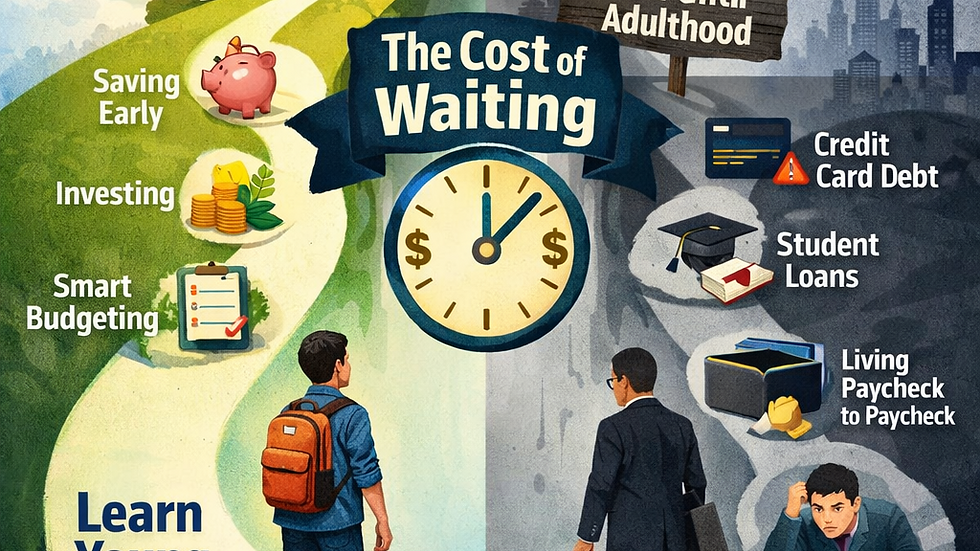
Budgeting isn’t just for adults with bills and mortgages. It’s a powerful tool for anyone who wants to make the most of their money, including teens. When you learn how to budget early, you build habits that help you avoid stress and make smarter choices. Plus, it’s a great way to save for things you really want, like a new gadget, a trip, or even college.
Here’s why these strategies are so important:
Control: You decide where your money goes instead of wondering where it disappeared.
Confidence: Knowing your finances gives you peace of mind.
Goals: Budgeting helps you save for short-term and long-term dreams.
Responsibility: It’s a step toward financial independence.
Think of budgeting as a roadmap for your money. Without it, you might get lost or spend more than you intended. With it, you’re the driver, steering toward your goals.

Simple Teen Budgeting Strategies You Can Start Today
Let’s get practical. Here are some teen budgeting strategies that are easy to follow and really work:
1. Track Your Income and Expenses
Start by knowing exactly how much money you have coming in and going out. This includes allowance, part-time job earnings, gifts, or any other cash. Write down every expense, even small ones like snacks or apps. This helps you see patterns and areas where you might be spending too much.
2. Set Clear Spending Categories
Divide your money into categories like:
Needs: School supplies, transportation, basic clothes.
Wants: Entertainment, eating out, hobbies.
Savings: For future goals or emergencies.
This way, you can balance enjoying your money now and saving for later.
3. Use Cash Envelopes or Apps
If you find it hard to control spending, try the cash envelope method. Put a set amount of cash in envelopes labeled by category. When the cash is gone, that’s it for the week or month. Alternatively, there are many free apps designed for teens to help track spending and saving.
4. Plan for Big Purchases
If you want something expensive, like a new phone or gaming console, plan ahead. Decide how much you need to save each week or month and stick to it. This teaches patience and goal-setting.
5. Review and Adjust Regularly
Your budget isn’t set in stone. Life changes, and so should your budget. Take time every month to review your spending and savings. Celebrate your wins and tweak what’s not working.
These strategies are a great foundation. They help you build good habits without feeling overwhelmed.
What is the 50 30 20 Rule?
One popular budgeting method that works well for teens and adults alike is the 50 30 20 rule. It’s a simple way to divide your money into three parts:
50% for Needs: These are essentials like food, transportation, and school supplies.
30% for Wants: Fun stuff like movies, games, or eating out.
20% for Savings: Money set aside for future goals or emergencies.
This rule helps you balance spending and saving without complicated math. For example, if you earn $100 a month, $50 goes to needs, $30 to wants, and $20 to savings. It’s flexible and easy to remember.
Using this rule can make budgeting less intimidating and more manageable. It also encourages saving, which is key to financial success.

How to Make Budgeting Fun and Motivating
Budgeting doesn’t have to be boring or stressful. Here are some tips to keep it enjoyable:
Set exciting goals: Whether it’s a concert ticket or a new bike, having a goal makes saving rewarding.
Reward yourself: When you hit a savings milestone, treat yourself to something small.
Use colorful planners or apps: Visual tools make tracking money more engaging.
Get friends or family involved: Share goals and tips to stay motivated together.
Celebrate progress: Even small savings add up over time.
Remember, budgeting is about making your money work for you. When you see your savings grow, it feels amazing!
How Parents and Grandparents Can Support Teen Budgeting
If you’re helping a teen learn to budget, your support can make a big difference. Here’s how you can encourage good habits:
Talk openly about money: Share your experiences and listen to their questions.
Help set realistic goals: Guide them in choosing achievable savings targets.
Encourage tracking: Help them find tools or methods that suit their style.
Be patient: Mistakes happen, and they’re part of learning.
Celebrate successes: Positive reinforcement boosts confidence.
By working together, you create a supportive environment where teens feel comfortable managing their money.
Wrapping Up Your Teen Budgeting Journey
Learning to budget is a journey, not a one-time task. It’s about building habits that will serve you well throughout life. Start small, stay consistent, and remember that every dollar saved is a step toward your dreams.
If you want to explore more about budgeting for teens, there are plenty of resources designed just for young people like you.
I hope these strategies inspire you to take charge of your finances with confidence and joy. Here’s to your financial future - may it be bright, secure, and full of possibilities!
Warm wishes on your budgeting adventure!


Comments