Practical Steps to Achieve Financial Wealth

When I first started thinking about money, I felt overwhelmed. How do people actually build wealth? Is it just luck, or is there a clear path? Over time, I discovered that financial success is not a mystery. It’s a journey made up of practical steps anyone can take. Whether you’re a teenager just starting out, a parent guiding your family, or a grandparent planning for the future, these steps can help you build a strong foundation for wealth.
Let’s walk through some simple, actionable ways to take control of your finances and move toward the life you want. Remember, if you ever find yourself thinking “i want to be rich!”, there’s a way forward, and it starts with knowledge and action.
Clear Steps to Financial Success Everyone Can Follow
The first thing I learned is that financial success doesn’t happen overnight. It’s about consistent habits and smart decisions. Here are some key steps that have helped me and many others:
1. Set Realistic Financial Goals
Start by asking yourself what financial success means to you. Is it owning a home? Having a comfortable retirement? Paying for your kids’ education? Write down your goals and be specific. For example:
Save $5,000 for an emergency fund in one year.
Pay off $10,000 in credit card debt within 18 months.
Invest $200 monthly in a retirement account.
Having clear goals gives you direction and motivation. Break big goals into smaller milestones to celebrate progress along the way.
2. Create a Budget and Track Your Spending
Budgeting is the foundation of financial control. I like to think of it as a spending plan that aligns with your goals. Here’s how to start:
List your monthly income.
Track all your expenses for a month (use apps or a simple notebook).
Categorize expenses: needs, wants, and savings.
Adjust spending to prioritize savings and debt repayment.
A budget doesn’t mean no fun. It means making choices that support your future. When you see where your money goes, you can make smarter decisions.
3. Build an Emergency Fund
Life is unpredictable. An emergency fund is your safety net for unexpected expenses like car repairs or medical bills. Aim to save 3 to 6 months’ worth of living expenses in a separate, easily accessible account. This fund keeps you from going into debt when surprises happen.
4. Manage Debt Wisely
Not all debt is bad, but high-interest debt like credit cards can hold you back. Focus on paying off high-interest debts first while making minimum payments on others. Consider the “debt snowball” method: pay off the smallest debt first to build momentum, then tackle larger ones.
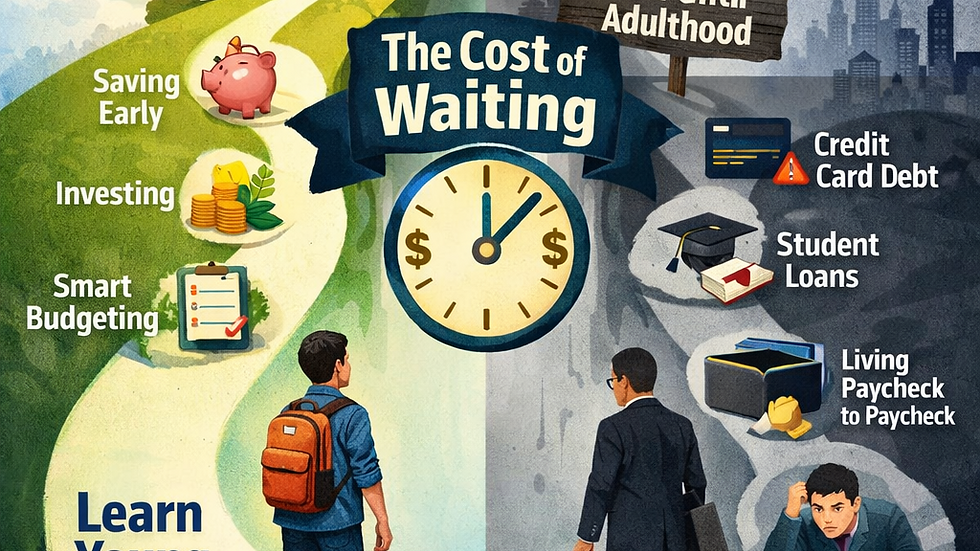
5. Start Investing Early
The power of compounding interest means the earlier you start investing, the more your money grows. Even small amounts add up over time. Look into retirement accounts like 401(k)s or IRAs, and consider low-cost index funds or ETFs. If you’re unsure, seek advice from a trusted financial advisor.

Is a 500k Salary Considered Rich?
This question comes up a lot, and it’s worth exploring because income alone doesn’t define wealth. A $500,000 salary sounds impressive, but whether it makes you “rich” depends on several factors:
Cost of living: In some cities, $500k might cover a luxurious lifestyle. In others, it might just cover basics.
Debt and expenses: High debt or lifestyle inflation can eat up a big salary.
Savings and investments: True wealth grows from what you keep and invest, not just what you earn.
For example, someone earning $500k but spending $450k annually might not build lasting wealth. On the other hand, a person earning $100k but saving and investing wisely can grow their net worth steadily.
The key takeaway? Focus on managing your money well, not just chasing a high income. Wealth is about financial freedom and security, not just numbers on a paycheck.
Smart Habits to Grow Your Wealth Over Time
Building wealth is a marathon, not a sprint. Here are some habits that can make a big difference:
Automate Your Savings
Set up automatic transfers to your savings and investment accounts. This “pay yourself first” strategy ensures you save consistently without thinking about it.
Educate Yourself Continuously
Financial knowledge is power. Read books, listen to podcasts, and follow trusted financial blogs. The more you learn, the better decisions you’ll make.
Live Below Your Means
It’s tempting to upgrade your lifestyle with every raise, but living below your means creates a buffer for savings and investments. Simple choices like cooking at home, buying used cars, or cutting unnecessary subscriptions add up.
Diversify Your Income
Relying on one income source can be risky. Explore side hustles, freelance work, or passive income streams like rental properties or dividends. Multiple income streams build resilience.
Review and Adjust Regularly
Life changes, and so should your financial plan. Review your budget, goals, and investments at least once a year. Adjust as needed to stay on track.

How to Teach Financial Wisdom Across Generations
One of the most rewarding parts of my financial journey has been sharing what I’ve learned with family. Teaching kids and even grandparents about money can create a legacy of financial health.
For Teens
Introduce basic concepts like saving, budgeting, and the value of money.
Encourage earning through chores, part-time jobs, or entrepreneurship.
Use apps or games that simulate money management.
For Parents
Model good financial habits openly.
Discuss family budgets and goals together.
Teach kids about credit, debt, and investing early.
For Grandparents
Help them understand modern banking and online tools.
Discuss estate planning and how to protect their assets.
Encourage conversations about financial goals and legacy.
Sharing knowledge empowers everyone to make better choices and supports family financial success.
Your Journey Starts Now
Remember, building wealth is a personal journey. It’s okay to start small and learn as you go. The important thing is to take that first step. If you ever feel inspired and think “i want to be rich!”, know that it’s possible with the right mindset and actions.
Take control of your finances today by setting goals, budgeting, saving, and investing. Celebrate your progress, no matter how small. Wealth is not just about money - it’s about freedom, security, and the ability to live life on your terms.
Wishing you all the best on your path to financial success. Keep going - your future self will thank you!


Comments